The Abuja Food Market Shopping List: Ingredients Every Home Cook Should Know
Hussein - AbujaEats
Food Writer & Critic
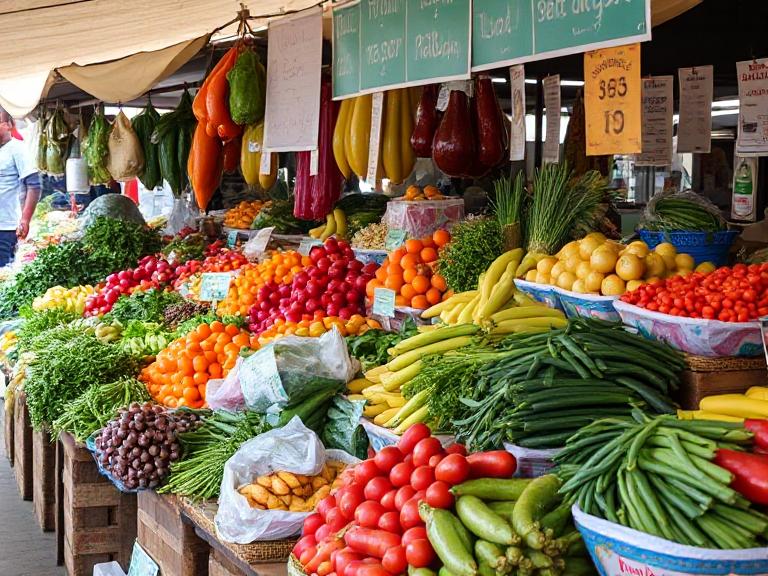
If you want to understand Abuja food, visit the market. Restaurants may plate the final story, but markets write the first draft. Tomatoes, pepper, onions, yam, rice, beans, fish, meat, crayfish, palm oil, garri, ugu, scent leaf, and spices all shape what the city eats.
This shopping list is for home cooks, new residents, food lovers, and anyone who wants to understand the ingredients behind Abuja's everyday meals.
The stew foundation
Tomatoes, peppers, and onions are the base of many Nigerian dishes. They build stew, jollof, sauces, soups, marinades, and pepper mixtures.
Buy tomatoes that are firm and red, not watery or bruised. For stew, plum tomatoes are usually better than soft salad tomatoes.
For pepper, learn the difference between heat and flavour. Scotch bonnet brings fire. Tatashe brings colour and sweetness. Shombo adds body and a different kind of pepper note.
Onions should feel firm, with dry outer skin. Avoid bulbs with soft spots or strong rot smell.
Grains and staples
Rice remains central to Abuja home cooking. Local rice has character and can be excellent when washed and cooked properly. Imported rice is often chosen for consistency. Know what your dish needs.
Beans are essential for akara, moi moi, beans porridge, ewa agoyin-style meals, and simple family cooking. Ask vendors which beans cook faster if fuel cost matters.
Garri, semovita, wheat, yam flour, and poundo options cover swallow needs. Store them dry and sealed.
Yam, plantain, potatoes, and sweet potatoes are practical staples for breakfast, lunch, and quick dinners.
Proteins to know
Beef, goat meat, chicken, turkey, catfish, tilapia, Titus fish, dried fish, stockfish, eggs, and assorted meats all have different uses.
For soups, dried fish and stockfish add depth. For pepper soup, freshness is everything. For stew, tougher cuts can work beautifully if cooked patiently.
Ask when the fish arrived. Look at the eyes, smell, and firmness. For meat, avoid pieces that look dull, slimy, or poorly stored.
Spices and flavour builders
Crayfish, iru or locust beans, dawadawa, curry powder, thyme, ginger, garlic, pepper soup spice, cloves, nutmeg, bay leaves, and yaji all have roles.
Buy frequently used spices in sensible quantities. Large bags look economical until they lose aroma in the cupboard.
If a vendor grinds spices fresh, ask questions. Good spice sellers often know which blend works for pepper soup, suya-style grilling, fish, or stew.
Oils and fats
Palm oil is essential for many soups and traditional dishes. Look for clean aroma and rich colour, not a harsh burnt smell.
Groundnut oil and vegetable oil handle frying and everyday cooking. Store oils away from direct sunlight and heat.
For health and budget, measure oil instead of pouring by instinct. Many dishes need less than people think.
Greens and vegetables
Ugu, spinach, waterleaf, bitterleaf, scent leaf, cabbage, carrots, cucumbers, okra, garden eggs, and spring onions all show up in Abuja kitchens.
Buy greens early when possible. They tire quickly in heat.
Wash thoroughly, especially leafy vegetables. If you are buying pre-cut greens, check freshness carefully.
Smart market habits
Go early for freshness and better selection.
Carry cash and transfer options.
Use a list, but stay flexible. If tomatoes are expensive, adjust the menu. If fish looks excellent, build a meal around it.
Compare prices without insulting vendors. Bargaining is normal; disrespect is not.
Bring sturdy bags. Separate raw proteins from vegetables.
The AbujaEats market rule
A better market habit makes you a better eater. You start noticing why one restaurant's stew tastes bright, why another soup feels flat, and why freshness is not just a word on a menu.
Know the ingredients, and Abuja's food scene becomes much easier to read.
Never Miss a Food Review
Join our community of food lovers and get weekly restaurant recommendations, exclusive dining tips, and the latest food news in Abuja.
Own a Restaurant in Abuja?
Get featured on AbujaEats and reach food lovers across the city.
List Your Restaurant